Release a percentage of your unpaid invoice
Invoice Finance
Access cash tied up in your sales ledger — confidentially, and without changing how you deal with customers.

Release cash. A percentage of your unpaid invoice, upfront.
Fast access. Funds usually ready in 24–48 hours.
Settle simply. When your customer pays, the balance is released, less fees.
Why finance it?
Waiting 30, 60 or 90 days to be paid puts pressure on even healthy businesses. Stock has to be bought, payroll has to run, suppliers want paying — long before your customer does.

How it works
A simple route to working capital
Raise the invoice
Issue the invoice to your customer as usual.
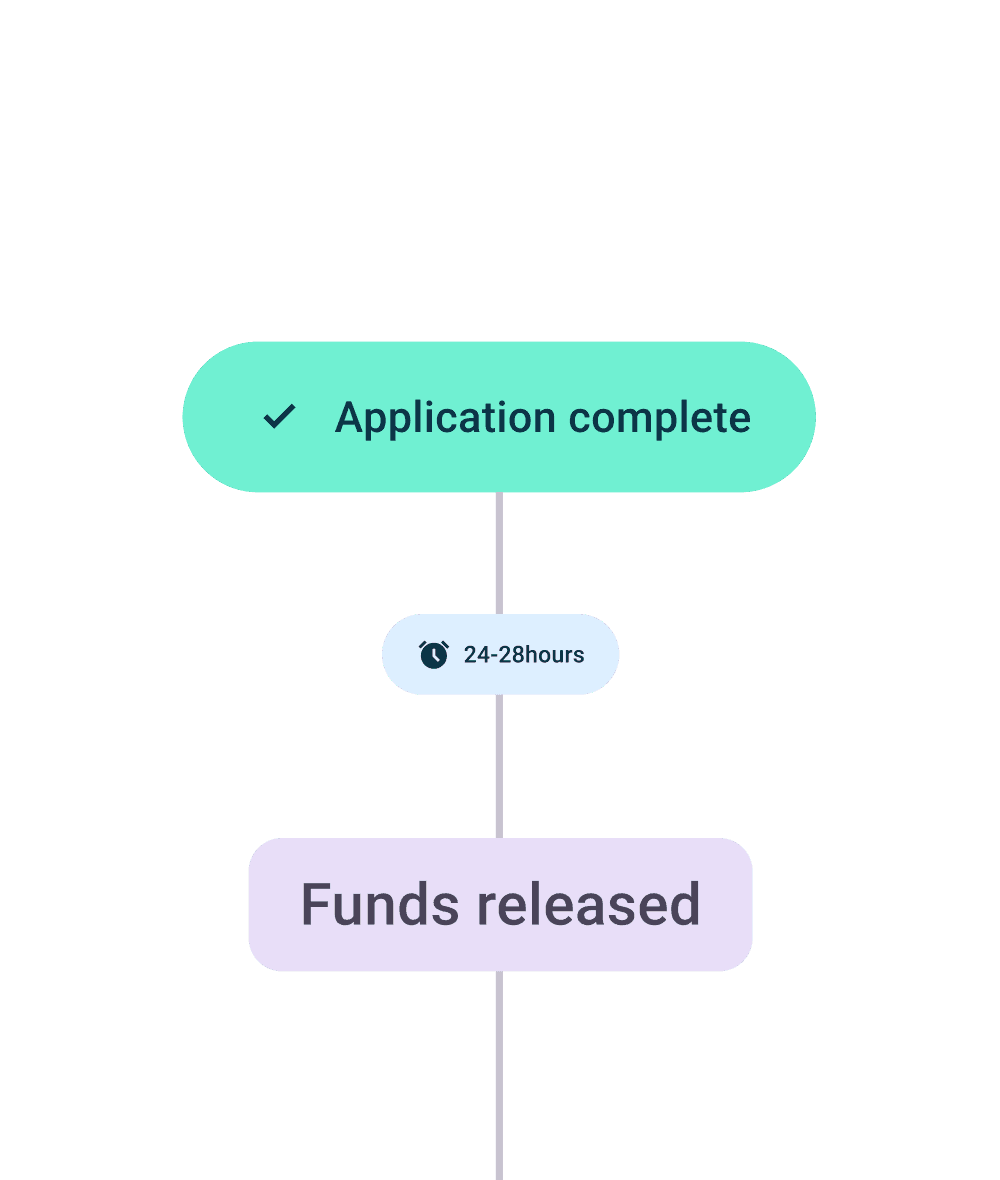
Lender advances cash
Receive a percentage of the invoice value, typically within 24–48 hours.
Customer pays you
You continue to manage collections. Confidential facilities mean the customer never knows a lender is involved.
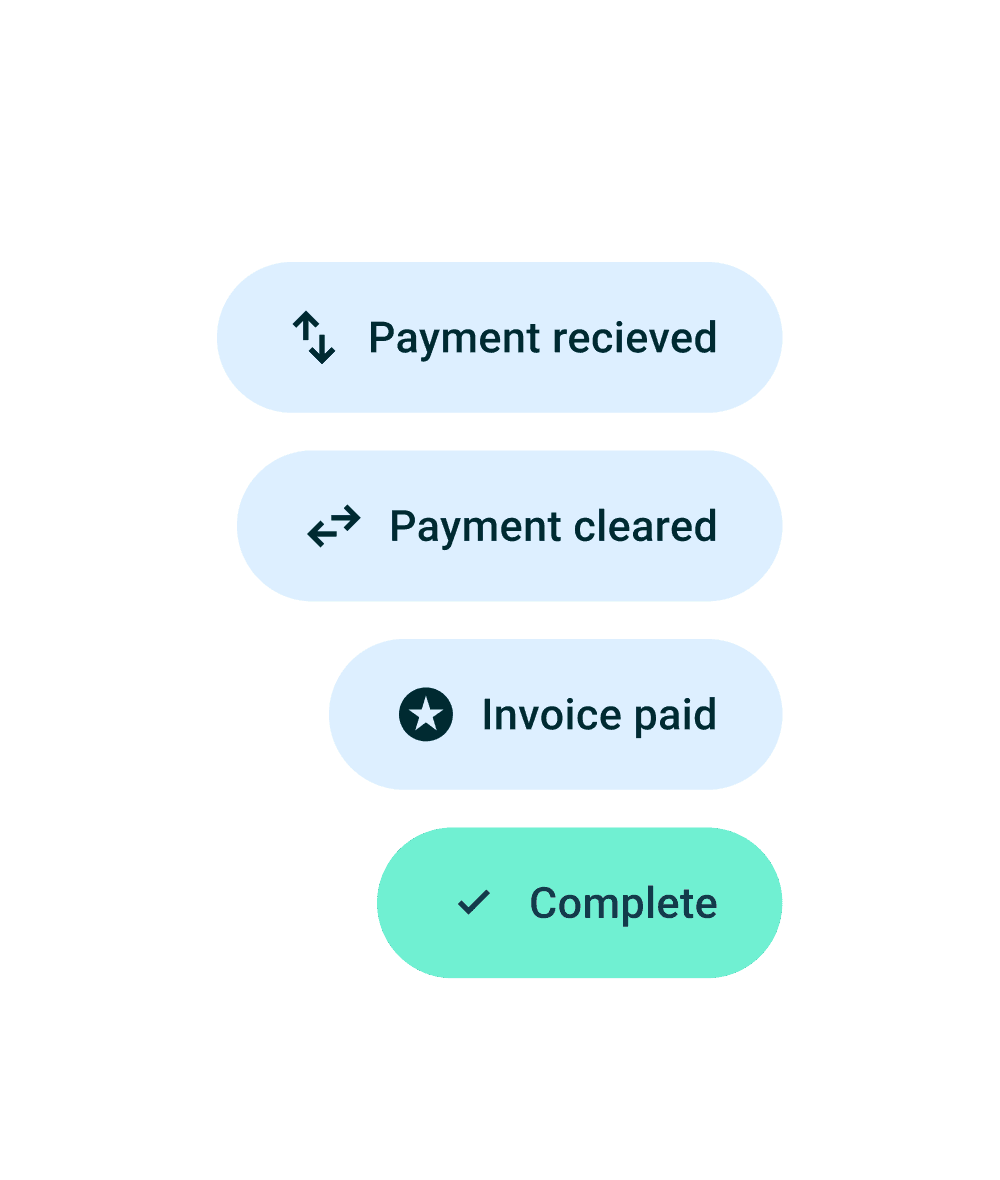
Balance released
Once the invoice is paid, the remaining amount is released, less agreed charges.
Who's it for
Manufacturers, wholesalers, recruiters, logistics, construction, engineering and B2B services.
Predictable debtor balances and a clean payment history.
Funding that grows with sales, not a fixed loan that caps you at last year's number.
Internal processes already in place to chase, verify and collect.
Discounting vs factoring
You manage collections. Usually confidential — customers never know. Best for businesses with strong credit control already running well.

Lender manages collections. Customer-facing. Best for businesses that want collections support and the credit control resource that comes with it.
Comparison matrix
| Collection | Confidentiality | Credit control | Cost / fees | Typical user | |
|---|---|---|---|---|---|
Invoice discounting | Your team manages chasing and collection. | Completely confidential. | Your business retains responsibility for vetting clients. | Generally lower. | Established businesses with strong internal credit teams. |
Invoice factoring | The provider chases and collects payments from your customers. | Highly visible to clients. | Completely confidential. | Generally higher. | Smaller / newer businesses wanting to outsource credit control. |
Swipe to see all columns →
Invoice discounting costs
A percentage of turnover or invoice value, for managing the facility.
Interest on the funds advanced, based on how long they're outstanding.
Arrangement, audit, minimum, CHAPS, renewal and exit charges all affect the real cost. So do advance rates, concentration limits and excluded debtors. The cheapest headline rate rarely wins.
Lender criteria
A strong debtor book can sometimes support funding even where traditional lending is harder to access.
Book a callTrading trajectory and the funding need it creates.
Customer concentration, payment history, collectability.
Sector, contract terms, and how cleanly you collect.
Other borrowing and any HMRC arrears.
Before you sign
Before continuing, have a think about these critical questions.
Need help? Talk to us
Get started
Stable helps UK SMEs compare invoice discounting providers, understand the true cost, and secure working capital with confidence.
FAQs